
Common coupon
Freeze geometry, substrate, resist, layer count, marks and inspection before invitations are issued.
PROCUREMENT / SUPPLIER EVALUATION
A buyer's framework for comparing maskless, grayscale and electron-beam lithography suppliers with common coupons, metrology and acceptance rules.
Published
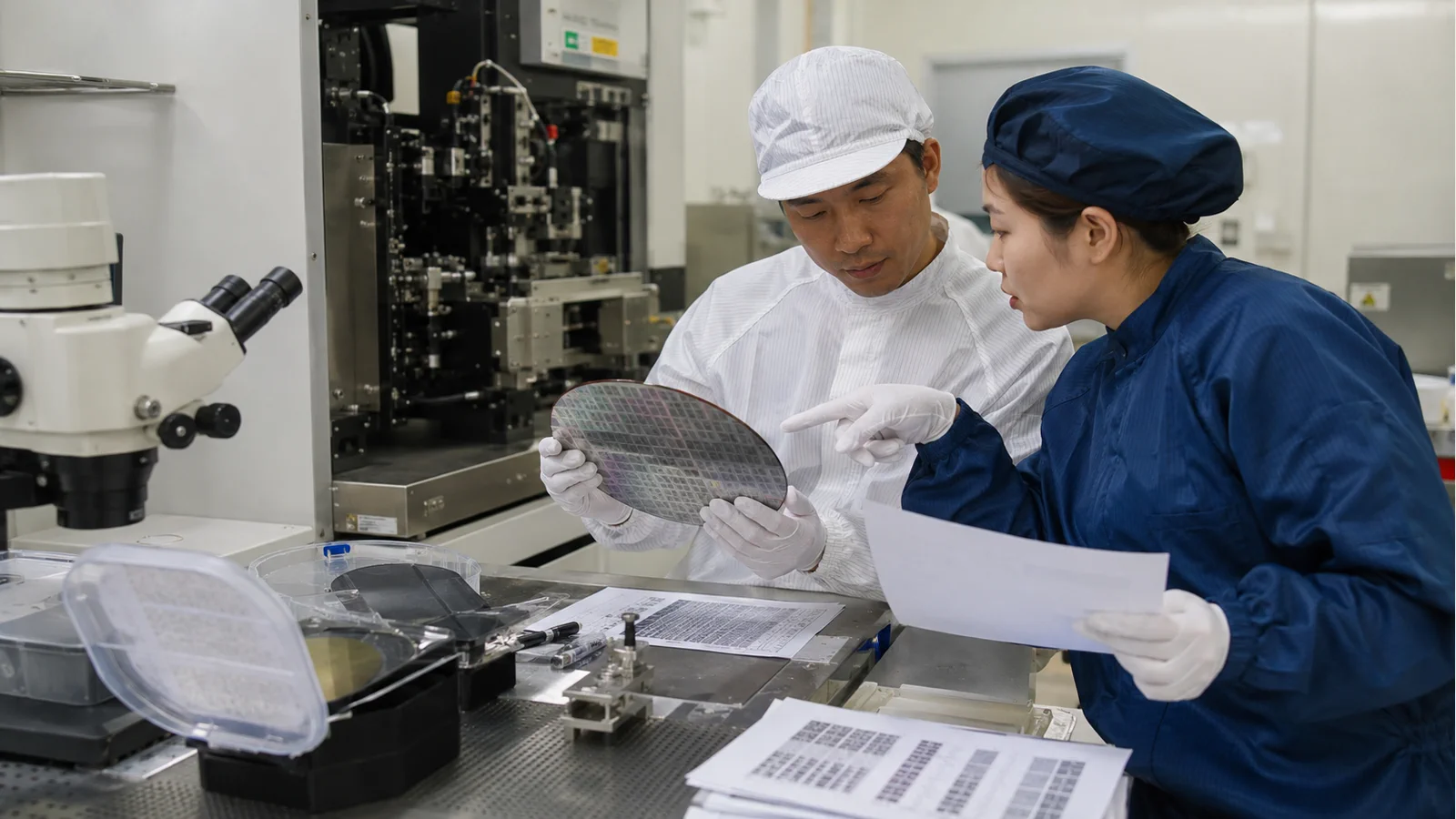
DIRECT ANSWER
Qualify a lithography supplier with a common process coupon and a written acceptance rule. Give every supplier the same device geometry, substrate, resist, exposure conditions, alignment marks, inspection method, throughput case and data format. Require each result to identify what is guaranteed, typical, calculated or process dependent.
A credible demo includes raw files, calibrated measurements, repeat runs and the configuration used. Compare usable feature size, profile, overlay, stitching, charging or focus behavior, write time, operator steps, maintenance and documentation—not a single best micrograph. SENFU's ZML and ZEL product pages provide documented functions, but the buyer still needs a process-specific demonstration before release.
ENGINEERING CONTEXT
A supplier demo can look persuasive while hiding a different resist, wafer, objective, field size or measurement method. Qualification turns that demonstration into a controlled experiment that engineering, procurement and quality teams can audit.
Discuss your requirement ↗CRITICAL REQUIREMENTS
Freeze geometry, substrate, resist, layer count, marks and inspection before invitations are issued.
Record exposure, focus, dose, developer, alignment and operator steps for each result.
Collect raw design, machine files, images, measurements, calibration and repeat runs.
Agree pass/fail, process-dependent limits, exceptions, ownership and next actions.
BUYER MATRIX
Give every shortlisted supplier the same process definition and request configuration-specific proof.
| Area | Common evidence | Buyer question |
|---|---|---|
| Pattern result | SEM/optical images with scale and process conditions | Is the result comparable to our device? |
| Overlay/stitch | Site map, coordinate data and metrology method | Where does the error occur? |
| Throughput | Time for the same area, density, dose and operator steps | What will our workload cost? |
| Reliability | Repeat coupons, alarms, maintenance and recovery logs | Does the result survive routine use? |
| Documentation | Drawings, interface, software and revision records | Can our team integrate and support it? |
Write the process requirement as a testable statement. Include critical dimension, pitch, profile or grayscale level, pattern area, layer count, overlay, substrate, resist, inspection method and acceptable cycle time. Mark which values are fixed and which are exploratory. This prevents each supplier from choosing a different success definition and makes the resulting commercial comparison defensible.
Include the facility context: wafer format, sample thickness, cleanroom, operator skill, data pipeline, maintenance support and expected weekly workload. A research laboratory may value layout iteration while a production team may prioritize recipe repeatability and uptime. Both are legitimate, but they must be visible in the scorecard.
Use a coupon with isolated and dense lines, the smallest relevant gap, a representative large-area pattern, alignment marks, field-crossing structures and any grayscale profile the process needs. Add features that expose charging, focus or stitching when those risks matter. Keep the layout and orientation identical for every supplier unless the tool requires a documented conversion.
A coupon is not a substitute for a production wafer, so state its limits. The goal is to expose the differences that drive the purchase decision and to identify the process work still required. Preserve the design revision and the file conversion log so a result cannot be silently improved by changing the input.
Require the same substrate material, thickness and surface preparation where practical. Record resist type, thickness, bake, wavelength or voltage, dose, focus, development and cleaning. If a supplier must use an alternative, record the reason and score the result separately. A smaller feature on an unrepresentative resist is useful learning but not a direct acceptance result.
Define metrology before the demo. State instrument, objective, scale calibration, sampling, threshold or fit method, repeat count and uncertainty. Ask for raw images and coordinate files. A supplier's own microscope can be used for process development, but final acceptance should be verified with the buyer's method or an agreed independent laboratory.
DMD maskless systems are attractive when layouts change often and the pattern area is microscale or larger. Grayscale capability matters when the process needs a controlled profile rather than a binary opening. Electron-beam lithography is relevant when the critical structure is nanoscale, but it writes serially and introduces charging, field stitching and write-time tradeoffs. Do not rank the technologies on one minimum-feature number.
Ask each supplier to state which part of the coupon is native to the system and which part requires a workaround. ZML10A, ZML100A and ZML200A cover different laboratory and substrate envelopes; ZEL304G covers electron-beam field and multilayer functions. The qualification should show the process route that the facility would actually purchase, including handoffs and inspection.
Record hands-on steps: loading, alignment, focus, recipe selection, file preparation, calibration, inspection and recovery after an alarm. Count operator minutes as well as exposure time. A tool with a fast exposure can still miss the weekly target if setup, metrology or maintenance consumes the schedule.
Use the same reference workload for throughput. State pattern area, density, dose, objective or beam current, field stitching, alignment and any correction computation. Request a best case and a production-representative case. Include consumables, training, service access, software revision and spare-part strategy in the commercial scorecard without inventing unverified lead times or guarantees.
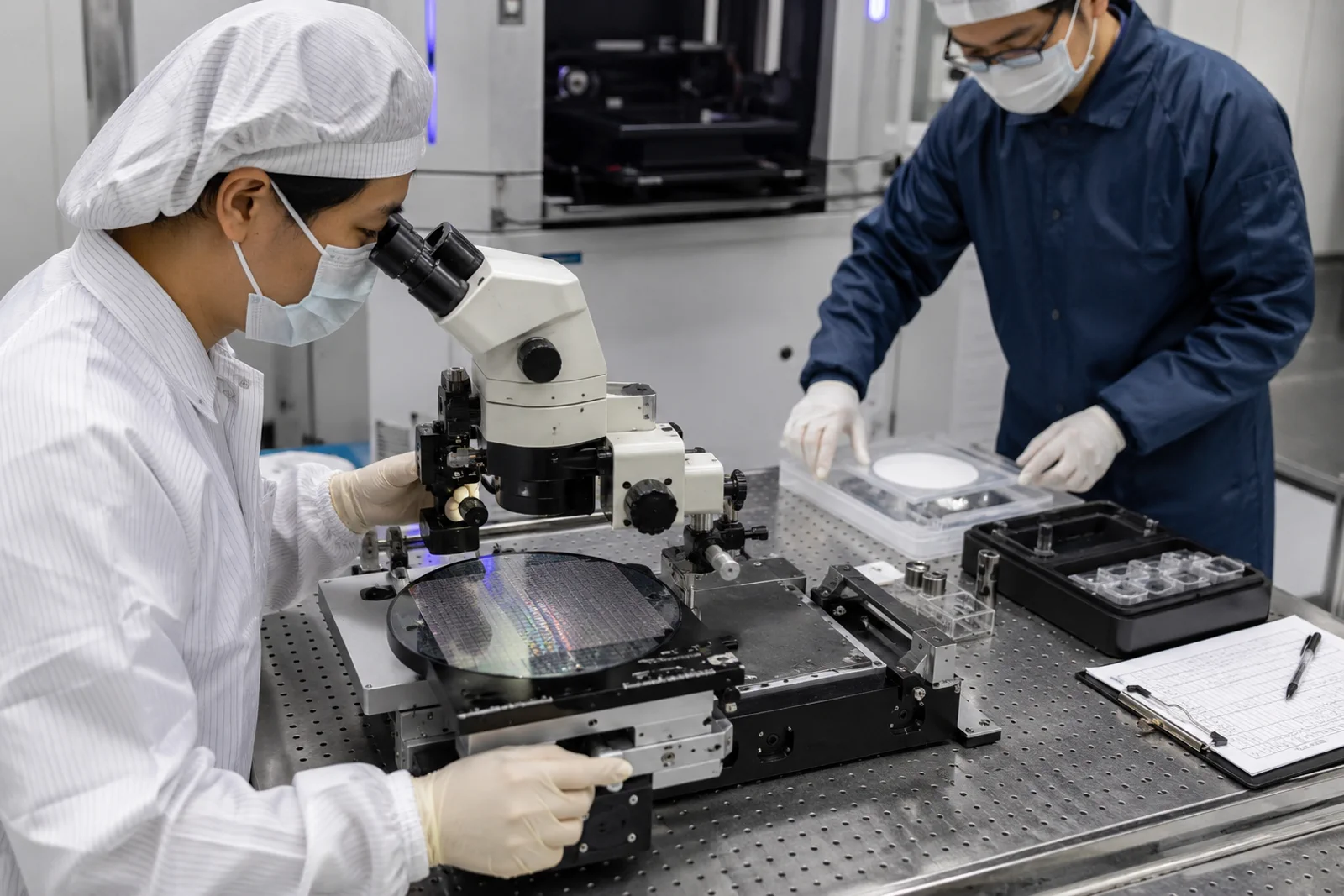
A single successful coupon is a demonstration, not a qualification. Define the number of repeat runs, reloads, operators and days. Decide how outliers, failed marks, charging events, focus loss or tool alarms are recorded. Keep the raw data, not only the selected images, so the team can see variation and not just the best result.
Agree what happens when a process target is missed. The supplier may propose a process change, a different objective, a software update or an engineering sample. Record who owns the change and whether the new condition resets the comparison. This keeps the evaluation honest and prevents a moving target from becoming a purchase commitment.
Convert the scorecard into a purchase acceptance document with named coupons, measurement tools, configuration, software revision, environmental conditions, pass/fail limits and data-retention rules. Distinguish hard acceptance criteria from development targets. The acceptance test should be repeatable by the facility after installation, not dependent on the supplier's private setup.
For multi-tool workflows, add handoff tests: coordinate transfer, marks, overlay, profile measurement and file traceability. For vacuum or cleanroom systems, add material, outgassing, cable and service evidence. A good plan creates a clear path from supplier demo to commissioning and future periodic checks.
Request the original coupon file, machine job, recipe, configuration, calibration record, raw images, measurement table, repeat-run log, throughput timing, exception record and the supplier's proposed acceptance method. Ask the supplier to label each claim as guaranteed, typical, calculated or process dependent. Preserve the response with a revision and date.
SENFU's source-backed approach is designed for technical buyers who need an auditable path from requirement to product. Send the same brief to the team for ZML, grayscale, EBL or encoder work and ask which data is available now and which must be generated in a sample evaluation. That is a stronger buying signal than a broad product promise.
The buying decision continues after the coupon is measured. Define who owns recipe transfer, operator training, file conversion, preventive maintenance, spare parts, calibration backups and the first requalification run. Ask the supplier to state what the facility can perform internally and what requires a field engineer or a return shipment. This makes service effort visible alongside resolution, profile or overlay results.
Create a handoff checklist with configuration revision, software version, accepted process window, open development items, raw data location and escalation contacts. Repeat one representative coupon after installation using the buyer's metrology and operators. If the result changes, record whether the cause is installation, process, measurement or the tool configuration. A documented post-demo path protects procurement from treating a successful trial as an unqualified production guarantee.
CONCLUSION
Lithography supplier qualification is a controlled comparison: common coupon, common process definition, independent metrology, repeated runs and a written decision rule. Compare the process result and ownership burden, not only a headline resolution.
SENFU can help turn a device requirement into a supplier brief and identify which ZML, grayscale or ZEL evidence must be demonstrated before a production or research-facility purchase.
SOLUTION ROUTES
EVIDENCE CHECKLIST
FAQ
They may show an additional house pattern, but the primary comparison should use the buyer's frozen coupon and process definition.
Use the same substrate, resist, geometry, alignment marks, inspection method, timing workload and data format, or label differences explicitly.
Supplier metrology can support development; acceptance is stronger when the buyer or an agreed independent method verifies the result.
Set the number from the risk and workload. Include reloads, operators and thermal states and agree outlier handling before the demo.
List coupon, configuration, software, environment, measurement tools, pass/fail limits, raw-data retention and the process for exceptions or re-tests.
AUTHORITATIVE SOURCES
TECHNICAL REVIEW
Send the application, critical parameters and any drawing or process information available.
Discuss your application ↗